How to Know If Your Child Needs an Emergency Dentist

Few situations unsettle a parent faster than a child holding their mouth, crying, and not being able to explain exactly what hurts. Dental problems can escalate quickly in children because small mouths, developing teeth, and limited communication make it harder to judge severity in the moment. A chipped front tooth after a playground fall may look dramatic but be manageable. A quiet toothache that kept your child awake, on the other hand, can signal an infection that deserves urgent attention.
The hard part is that not every dental problem belongs in the emergency category, and not every true dental emergency looks severe at first glance. Parents often ask the same practical question: should we wait for the regular dentist tomorrow, or do we need an Emergency Dentist now? The answer depends less on appearance alone and more on a few specific clues, including pain level, swelling, bleeding, trauma, and whether a permanent tooth is at risk.
Understanding those clues helps you act quickly without overreacting. It also helps protect your child from avoidable complications such as infection, damage to a permanent tooth, or prolonged pain that could have been relieved sooner.
What counts as a dental emergency in a child
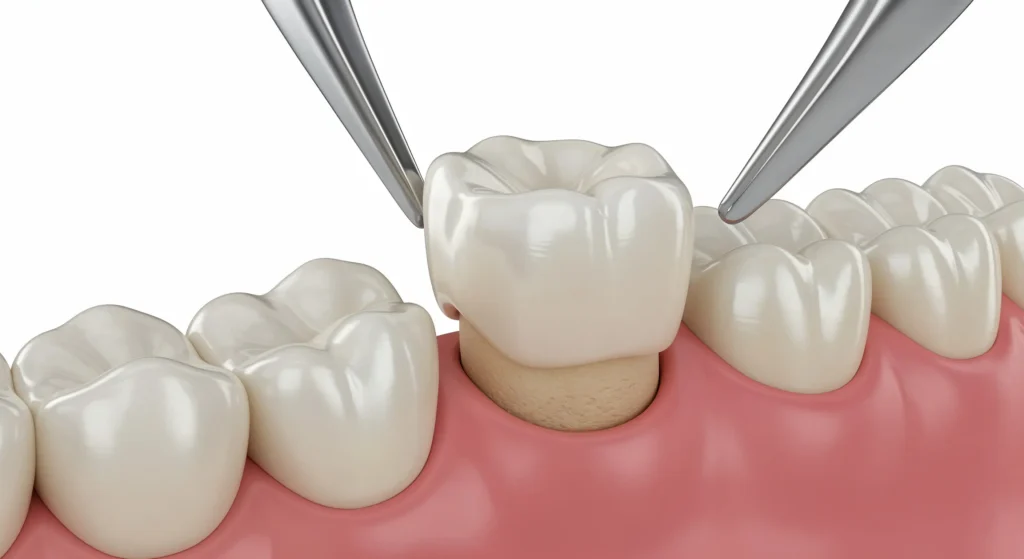
A dental emergency is a problem that needs prompt treatment to stop significant pain, control bleeding, treat infection, or save a tooth. In children, urgency can also be shaped by age. A problem involving a baby tooth is not handled exactly the same way as the same injury involving a permanent tooth. For example, dentists usually do not try to reimplant a knocked-out baby tooth because doing so can harm the adult tooth developing underneath. A knocked-out permanent tooth is a different matter entirely, and minutes count.
Another wrinkle is that children do not always describe pain accurately. A five-year-old may say their whole face hurts when the issue is one molar. A teenager may downplay severe pain because they do not want treatment. That is why parents should pay close attention to behavior changes. Refusing to eat, waking at night, drooling, avoiding brushing one area, speaking differently, or holding the jaw can all reveal more than words do.
In practice, the cases that push a dentist to say “come in now” usually involve uncontrolled bleeding, facial swelling, significant trauma, severe pain, or a permanent tooth that has been displaced or knocked out.
The clearest signs your child needs urgent dental care
Some symptoms are strong indicators that you should contact an Emergency Dentist right away, even if it is after hours.
- A permanent tooth has been knocked out, pushed out of place, or feels loose after injury
- Bleeding in the mouth does not stop after about 10 to 15 minutes of gentle pressure
- Swelling is visible in the gums, jaw, or face, especially with pain or fever
- Tooth pain is severe, persistent, or keeping your child from sleeping, eating, or drinking
- There is trauma to the mouth along with possible jaw injury, deep cuts, or trouble closing the teeth together normally
If your child has any of those signs, do not take a wait-and-see approach. Time matters. A permanent tooth that is replanted quickly has a much better chance of survival. Swelling related to dental infection can move beyond the tooth and become a broader medical problem. Bleeding may come from the tooth socket, gums, tongue, or lip, and deep cuts sometimes need repair in addition to dental treatment.
Toothache, when it is ordinary discomfort and when it is not
Tooth pain is one of the most common reasons parents call for urgent help, and it also causes the most uncertainty. Children get food trapped between teeth, new teeth erupt, bite their cheeks, and complain of discomfort for reasons that are not emergencies. At the same time, a serious cavity or dental abscess can start as “my tooth feels funny.”
What raises concern is the pattern. Pain that lasts more than a few hours, gets worse instead of better, or returns repeatedly usually deserves prompt evaluation. Pain that flares with hot or cold can point to nerve irritation. Pain that throbs, spreads to the ear or jaw, or wakes a child from sleep often means the inflammation has gone deeper. If the gum near the tooth looks puffy, shiny, or develops a pimple-like bump, infection becomes more likely.
I have seen many parents surprised by how severe a cavity can become before a child clearly complains. Some children chew on one side for days before mentioning discomfort. Others stop eating crunchy foods or suddenly refuse toothbrushing in one area. Those changes matter. A child who says “it only hurts a little” but has facial swelling needs same-day attention. A child with mild sensitivity but no swelling, no constant pain, and no trouble eating may be able to wait for the next available routine appointment, though you should still call the dental office for guidance.
Swelling is a bigger warning sign than many parents realize
Facial or gum swelling deserves respect. It does not always look dramatic, and it is one of the signs least worth minimizing. Swelling suggests inflammation, infection, or trauma deep enough to affect tissues around the tooth. If the cheek looks fuller on one side, the gum is ballooned over a tooth, or your child says it hurts to open wide, that changes the picture.
When swelling comes with fever, lethargy, a bad taste in the mouth, foul-smelling drainage, or visible pus, call immediately. If your child has difficulty swallowing, trouble breathing, or rapidly spreading swelling, that is no longer just a dental issue. It warrants emergency medical care right away because airway safety takes priority.
Parents sometimes expect infection to be obvious and dramatic. In reality, early dental abscesses can look modest. A slight puffiness under the eye from an upper tooth infection, or tenderness under the jaw from a lower molar, may be the first sign. Children can also compensate well until they suddenly do not. That is why a same-day professional opinion is wise whenever swelling enters the picture.
Broken, chipped, and cracked teeth, what is urgent and what can wait
A chipped tooth can range from purely cosmetic to genuinely urgent. A tiny chip with no pain, no sharp edge, and no color change in the tooth is usually not an emergency, though it should still be checked. A larger break that exposes a yellow or pink inner layer, causes sensitivity, or leaves a jagged edge cutting the lip or tongue should be seen promptly.
The context matters. If the tooth broke because your child fell, got hit by a ball, or collided during sports, the visible chip may be only part of the injury. Teeth can also be loosened, roots bruised, or the jaw affected even when the crown damage looks small. If your child says their bite feels “off” after the accident, or they cannot close their teeth together the usual way, urgent evaluation is important.
A crack can be even trickier because it may not show well at home. If your child winces when biting and then feels relief when they stop biting, that pattern can suggest a crack. Cracks are not always dramatic emergencies, but they should not be ignored, especially if pain is worsening.
A knocked-out tooth, what to do in the first minutes
This is one of the few dental situations where immediate action at home can change the outcome. The first question is whether the tooth is a baby tooth or a permanent tooth. Most children begin getting permanent front teeth around age six or seven, but there is variation. If you are unsure, tell the dentist your child’s age and send a photo if the office requests it.
For a permanent tooth, the ideal window for reimplantation is very short, often best within 30 minutes, though treatment may still be attempted later. Pick the tooth up by the crown, the chewing or visible part, not the root. If it is dirty, rinse it briefly with milk or saline if available, or clean water if that is all you have. Do not scrub it. In an older cooperative child, the tooth can sometimes be placed gently back into the socket while heading to care. If that is not realistic, store it in milk or a tooth preservation solution if you have one. Saliva can work in some cases, such as inside the cheek of an older child who will not swallow it, but that is not ideal for younger children.
For a baby tooth, do not try to put it back. Call the dentist promptly for advice and evaluation because surrounding tissues may still be injured.
Mouth injuries that are not “just dental”
Parents often focus on the tooth and miss the soft tissue injury or jaw issue next to it. A split lip, bitten tongue, torn frenum, or cut inside the cheek can bleed heavily and look alarming because the mouth is very vascular. Some of these heal beautifully with simple care. Others need stitches or at least a careful assessment.
A useful rule is to pay attention to function as much as appearance. Can your child open and close normally? Can they swallow? Are they alert and acting like themselves? Did they lose consciousness or vomit after the fall? A dental injury from significant trauma can overlap with a head injury or jaw fracture, and those concerns may shift the first stop from the dental office to urgent care or the emergency room.
If a tooth injury followed a high-impact event, especially if there is facial asymmetry, a hard time opening the mouth, numbness, or a bite that no longer lines up, seek urgent professional care without delay.
When bleeding means you should not wait
Minor oozing after a lost baby tooth or a small gum scrape is common. Continuous bleeding is not. If pressure with clean gauze for 10 to 15 minutes does not control it, call an Emergency Dentist. If the bleeding is brisk, your child is swallowing a lot of blood, or you cannot identify where it is coming from, escalate quickly.
Children with braces can also get dramatic-looking lip or cheek injuries after a fall. The appliance may trap soft tissue or create multiple cuts. While many of these are manageable, bleeding plus embedded hardware or a displaced tooth pushes the situation into urgent territory.
One common source of confusion is bleeding around a very loose baby tooth. If the tooth was nearly ready to come out anyway, some bleeding can seem excessive because the child keeps wiggling it with the tongue. Once removed or once pressure is applied consistently, it usually settles. The key word is consistently. Checking every minute interrupts clotting. Hold pressure and give it real time.
Fever, drainage, and the smell that should get your attention
Parents often notice smell before they see swelling. A bad odor from the https://telegra.ph/Should-You-Wait-or-See-an-Emergency-Dentist-Immediately-09-08 mouth that does not improve with brushing, especially when linked to one painful tooth, can indicate infection or trapped decay. A salty or foul taste can mean fluid is draining from an abscess. Fever adds urgency, although not every dental infection causes one.
A child with dental pain plus fever should be assessed promptly. So should a child whose face is swollen even without fever. The absence of fever does not rule out a serious problem. Some infections are localized at first and become more aggressive later. Children who are medically complex, immunocompromised, or have significant underlying conditions deserve an even lower threshold for urgent evaluation.
Braces and appliances, when orthodontic problems become urgent
Most orthodontic discomfort is not a dental emergency. Soreness after an adjustment, a loose rubber band, or a poking wire that can be covered with orthodontic wax usually can wait for the orthodontist’s next available visit. Still, some appliance issues cross the line.
If a wire is embedded in the cheek or gum and you cannot safely reposition or cover it, that may need same-day help. If a child suffers trauma while wearing braces and a tooth appears displaced, do not assume it is “just the braces.” Brackets can mask underlying movement or fracture. Similarly, a broken expander or sharp appliance part that interferes with swallowing, breathing, or the ability to close the mouth comfortably deserves urgent attention.
What you can do at home while you arrange care
Parents often feel helpless in the gap between noticing a problem and getting into the office. A few practical steps can make your child more comfortable and prevent the situation from worsening.
- Rinse gently with lukewarm water to clear blood or debris
- Apply a cold compress to the outside of the face in short intervals for swelling or trauma
- Use clean gauze with firm pressure for bleeding
- Offer soft foods and avoid very hot, cold, or crunchy items
- Call the dental office with clear details, including age, symptoms, timing, and photos if requested
For pain relief, many families use age-appropriate over-the-counter medication if their pediatrician has not advised against it. Follow the dosing instructions exactly and avoid placing aspirin directly on the gum, which can irritate tissue. Clove oil and internet home remedies are not dependable substitutes for proper treatment, especially when infection or tooth displacement is involved.
If there is a broken piece of tooth, save it. If a crown or filling falls out, keep it and bring it along. These details sometimes help the dentist restore the tooth more efficiently.
Situations that feel urgent but often can wait until regular office hours
Not every upsetting dental moment requires immediate emergency treatment. That distinction matters because after-hours emergency visits are designed for situations where delay could worsen pain, infection, bleeding, or damage.
A mildly chipped baby tooth with no pain and no sharp edge often can wait. A lost filling without significant pain may be uncomfortable but not emergent. Food stuck between teeth can cause intense pressure and gum irritation, yet a careful flossing often solves it. Mild soreness from a newly erupting tooth, especially around ages when molars come in, can usually be managed at home.
The challenge is that these lower-urgency problems can resemble more serious ones early on. If you are unsure, call. Good dental offices would rather talk through a false alarm than have a child sit overnight with a problem that should have been treated sooner.
The difference between baby teeth and permanent teeth in emergencies
Parents are sometimes told not to worry too much because “it is only a baby tooth.” That idea causes trouble. Baby teeth matter. They hold space for permanent teeth, support speech and eating, and can absolutely become infected or painful enough to need urgent care. A badly infected baby molar can cause facial swelling just as a permanent tooth can.
That said, treatment priorities do differ. Saving a traumatized baby tooth is usually less important than protecting the permanent tooth bud and controlling pain or infection. Permanent teeth, especially those knocked loose or out of the mouth, demand faster action to preserve long-term function and appearance.
If your child is in the mixed dentition stage, usually around elementary school age, it is easy to misidentify which teeth are permanent. Front teeth and first molars are often permanent earlier than parents expect. When in doubt, treat the situation as potentially time-sensitive and contact the dentist immediately.
What the dentist will want to know when you call
A calm, specific phone call helps the team triage the problem quickly. Instead of saying only that your child’s tooth hurts, give a compact picture. Mention when the problem started, whether there was an injury, whether the tooth is baby or permanent if known, whether there is swelling, fever, bleeding, or a change in bite, and whether your child can eat or sleep. Photos are especially helpful for visible trauma, swelling, chipped teeth, or knocked-out teeth.
Reception and clinical staff are trained to listen for details that signal urgency. If they tell you to come in immediately, there is usually a good reason. If they advise home care and a next-day visit, ask what changes would mean you should call back sooner. That question often gives parents peace of mind and a clear threshold for action.
Trust the pattern, not just the snapshot
A single moment can mislead you. Your child may seem better after crying stops, or worse because blood in the mouth makes any injury look dramatic. The more reliable guide is the pattern over the first hour or two. Is pain building? Is swelling increasing? Is bleeding continuing? Is your child less willing to eat, talk, or rest? Are they guarding the area and becoming more distressed, not less?
Parents are usually better judges than they think when they step back and look at that pattern. If your instinct says this is beyond a routine issue, it often is. The safest approach is not panic. It is prompt, measured action. Clean the area, control what you can, and call a trusted dental office or Emergency Dentist with the facts.
Children recover well from many dental injuries and infections when they are treated early. The goal is not to become an expert in every dental condition. It is to recognize the warning signs that deserve urgent help, then move quickly enough to protect your child’s comfort, health, and smile.
Simple Dental South Gate
Address: 8617 California Ave, South Gate, CA 90280
Phone number: +13236896118
FAQ About Emergency Dentist Southgate CA
What can the ER do for a tooth?
The emergency room can provide temporary symptom relief for a bad tooth, such as prescribing pain medicine or antibiotics, but it cannot fix the actual dental problem.
What is the 3-3-3 rule for tooth infection?
The 3-3-3 rule for a toothache or infection typically means taking three 200 mg ibuprofen tablets (600 mg total) three times a day for no more than three days to control pain and swelling while waiting to see a dentist.
What do you do if you have a dental emergency but no dentist?
If you have a dental emergency and no regular dentist, you should search for an urgent care dental clinic, call local walk-in dental offices, or go to a hospital emergency room if you have severe bleeding, swelling, or trouble breathing.