Is It Time for Wisdom Teeth Removal in Oxnard CA?
Most people do not spend much time thinking about their wisdom teeth until something starts to hurt. A little pressure in the back of the jaw, gum swelling that comes and goes, food trapping behind the last molar, or a dentist pointing at an X-ray and saying, “We should keep an eye on these.” That is usually how the conversation begins.
If you are wondering whether now is the right time for wisdom teeth removal in Oxnard CA, the answer depends on more than age alone. Timing matters, symptoms matter, the position of the teeth matters, and so does the condition of the surrounding bone, gums, and neighboring molars. Some wisdom teeth erupt normally and cause no trouble for years. Others create problems long before they fully emerge. Knowing the difference can spare you months of discomfort and, in some cases, help you avoid damage to otherwise healthy teeth.
Why wisdom teeth become a problem
Wisdom teeth are the third molars, and they are typically the last permanent teeth to develop. They often appear in the late teen years or early twenties, though development can vary. By the time they are ready to erupt, the jaw may not have enough room to accommodate them in a healthy position. That lack of space is at the heart of many wisdom tooth problems.
When there is not enough room, a wisdom tooth may erupt only partway, remain trapped under the gums, or grow at an angle that pushes against the second molar. Some teeth sit vertically but stay buried. Others tilt forward, backward, or sideways. I have seen patients with almost no symptoms whose X-rays showed an obvious future problem, and I have also seen patients in considerable pain from what looked, at first glance, like a minor gum irritation.
The problem is not simply that wisdom teeth are “extra.” It is that they sit in one of the hardest places in the mouth to clean and monitor. A partially erupted wisdom tooth creates a flap of gum tissue where bacteria and food debris collect easily. That can lead to inflammation, infection, bad breath, and pain with chewing or swallowing. Even fully erupted wisdom teeth can be difficult to brush and floss well enough to prevent decay.
The signs that should not be ignored
Pain is the symptom people notice first, but it is not the only warning sign. Some of the most important clues are subtle. You may feel pressure in the back corners of the mouth, notice that opening wide feels tight, or discover tenderness when brushing around the farthest molars. Others experience recurring swelling that settles down and returns a few weeks later.
A few symptoms deserve prompt attention because they may suggest active infection or significant inflammation:
- swelling of the gums behind the second molars
- pain when chewing or opening the mouth
- a bad taste or persistent bad breath
- jaw soreness that seems to radiate toward the ear
- repeated trapping of food around a partially erupted tooth
These signs do not automatically mean extraction is necessary that same day, but they do mean an evaluation should not wait too long. A mild flare-up can become a more painful and more urgent problem faster than many patients expect.
Not every wisdom tooth needs to come out
This is where judgment matters. There is a common assumption that all wisdom teeth should be removed preemptively, but that is too broad. Some wisdom teeth are fully erupted, properly aligned, easy to clean, and free of decay or gum disease. In those cases, ongoing monitoring may be completely reasonable.
A dentist or oral surgeon usually looks at several factors before recommending removal. Position is a big one. A tooth that is tilted into the neighboring molar carries a different risk profile than a tooth that has erupted upright. Gum health matters too. If the tissue around the wisdom tooth repeatedly becomes inflamed, keeping it may mean dealing with the same cycle again and again. The depth of impaction, root development, and proximity to the nerve in the lower jaw also shape the conversation.
Patients often ask whether it is better to wait until symptoms develop. Sometimes yes, sometimes no. A wisdom tooth that already shows decay in a hard-to-reach area, or one that threatens the second molar, may justify removal before it becomes painful. On the other hand, a stable, fully erupted tooth with healthy surrounding tissue may simply need routine observation.
Age changes the conversation
Wisdom tooth removal is often easier in younger patients, especially when the roots are not fully formed and the surrounding bone is less dense. That does not mean adults in their thirties, forties, or beyond cannot have their wisdom teeth removed successfully. They can, and many do. It does mean the procedure and recovery can become more complex with age.
Younger patients usually heal faster, swelling tends to resolve more predictably, and the roots may be positioned in a way that allows simpler extraction. Older patients may have fully developed roots that curve more, denser bone, or preexisting issues such as gum disease, restorations on nearby teeth, or limited mouth opening. None of those factors rules out treatment. They simply make the planning more important.
This is one reason many oral health professionals prefer not to “watch and wait” indefinitely when an X-ray and exam suggest a likely future problem. Waiting can turn a manageable preventive procedure into a more difficult surgical one later.
What an evaluation usually includes
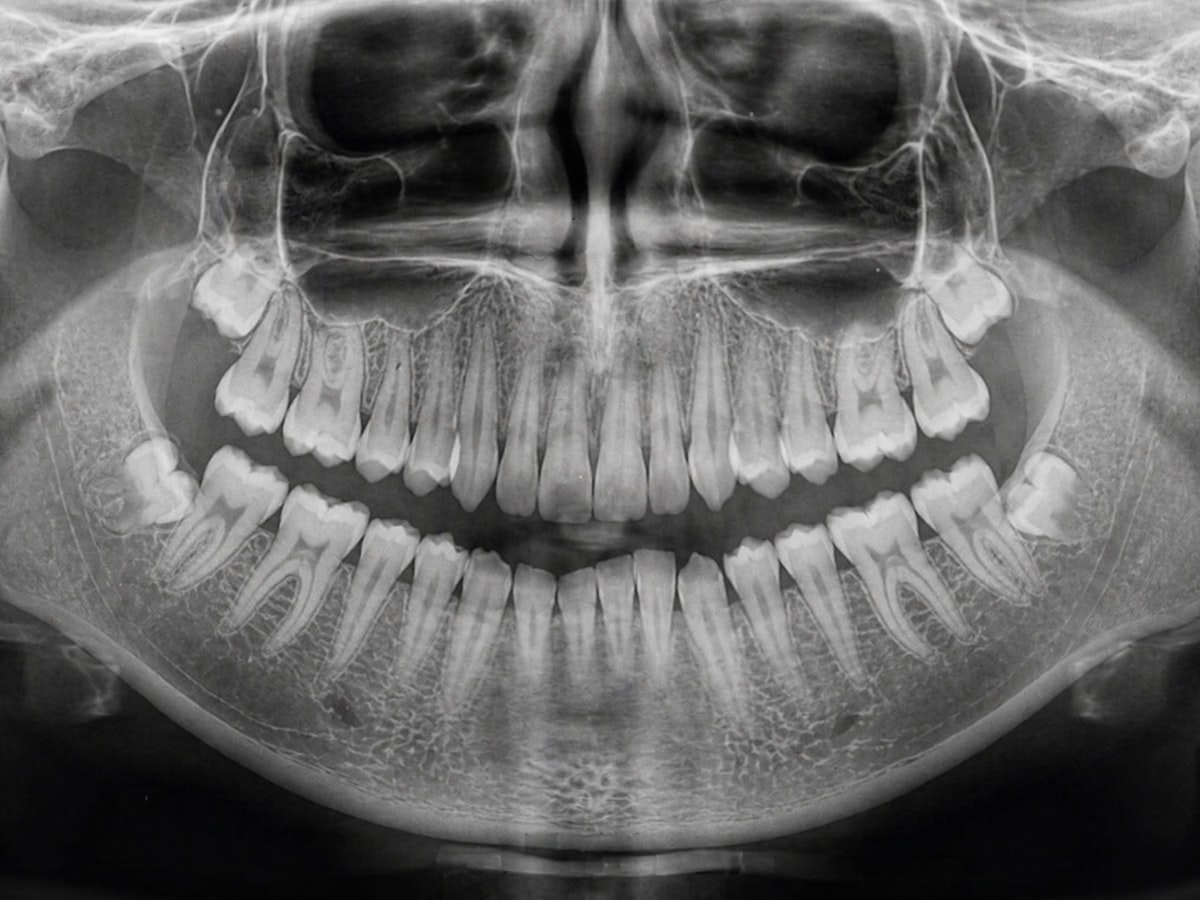
A proper wisdom tooth consultation is more than a quick glance in the mouth. It usually includes an exam, a review of symptoms, and imaging to assess the exact position of the teeth. Standard dental X-rays often provide enough information, though in certain cases a three-dimensional scan may be recommended if the roots appear close to important structures such as the inferior alveolar nerve.
That imaging helps answer practical questions. Is the tooth impacted in bone, soft tissue, or both? Is it causing decay or damage on the back side of the second molar? Is there a cyst-like change around the crown? Is there enough room for functional eruption? These are not abstract concerns. They directly affect whether the safer path is monitoring or removal.
For people seeking wisdom teeth removal in Oxnard CA, local evaluation also matters because care is not one-size-fits-all. A student on summer break, a working adult trying to minimize time off, and a patient with a history of dental anxiety all need slightly different planning. The best consultations account for the whole picture, not just the X-ray.
When the second molar is the real concern
One of the most overlooked issues with wisdom teeth is the effect they can have on the tooth in front of them. A mesially angled lower wisdom tooth, meaning one that leans forward, can press against the second molar and create a trap for bacteria. Over time, that may lead to a cavity on the back surface of the second molar or even bone loss in that area.
This is one of the hardest places in the mouth for a patient to clean and one of the easiest places to miss until damage is already underway. By the time pain appears, the second molar may need more than a simple filling. In some cases, the real goal of wisdom tooth removal is not just to address the third molar itself but to protect the health and longevity of the tooth next to it.
That point is worth emphasizing because patients sometimes think, “If the wisdom tooth is not hurting, why remove it?” The answer may be that the adjacent tooth is quietly at risk.
Infection around a partially erupted tooth
A partially erupted wisdom tooth can trigger a condition often referred to as pericoronitis, which is inflammation or infection in the gum tissue surrounding the crown. It often starts with tenderness and swelling under a gum flap. Patients may notice difficulty chewing on that side, a foul taste, or soreness that seems out of proportion to what they can see in the mirror.
Sometimes the symptoms calm down with local cleaning, rinses, or antibiotics if infection is present. But if the anatomy keeps trapping bacteria, the issue frequently returns. Recurrent infections are one of the clearest signs that removal should be considered seriously. Temporary relief is not the same as solving the underlying problem.
I have known patients who put up with these flare-ups for months because each episode seemed to settle on its own. Then one bad weekend changes the equation, swelling increases, sleep becomes difficult, and they end up looking for urgent care. Planning removal before that point is usually the better experience.
What the procedure can involve
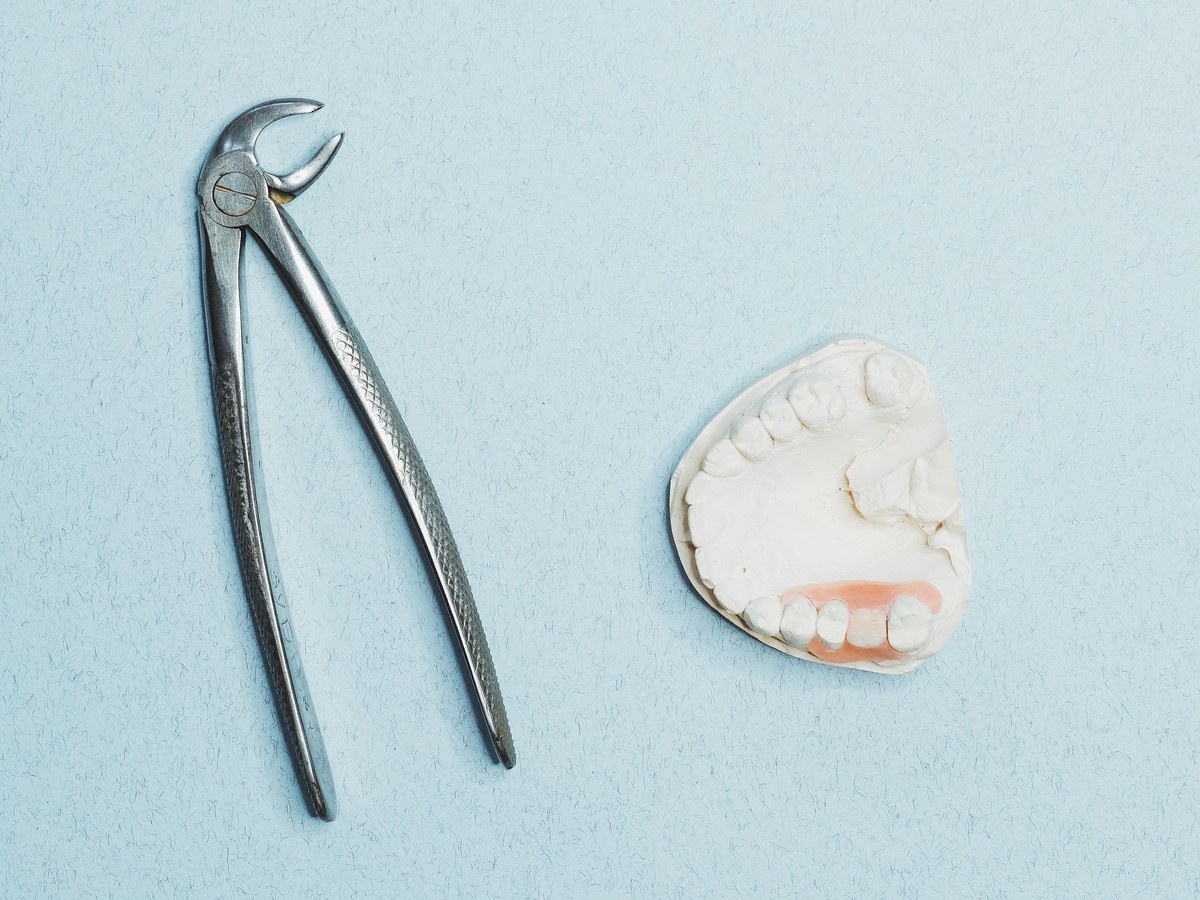
Wisdom tooth removal ranges from straightforward extraction to a more involved surgical procedure. A fully erupted upper wisdom tooth with simple roots may come out relatively easily. A deeply impacted lower wisdom tooth may require opening the gum, removing a small amount of bone, and sectioning the tooth into pieces for controlled removal.
Anesthesia and sedation options vary. Some patients do well with local anesthesia alone, especially for simpler cases. Others prefer nitrous oxide, oral sedation, or IV sedation, particularly when multiple wisdom teeth are being removed or when anxiety is high. There is no prize for white-knuckling through treatment. Comfort and safety should drive the decision.
The right choice depends on medical history, the anticipated complexity of the extraction, and the patient’s own stress level. A good provider will explain what to expect plainly, not oversell sedation and not dismiss it either.
Recovery is usually manageable, but planning helps
Most people recover from wisdom tooth removal without major problems, but the first few days are easier when expectations are realistic. Swelling often peaks around the second or third day. Soreness, limited jaw opening, and a need for softer foods are normal for a period of time. Some patients bounce back quickly and return to desk work within a day or two. Others need several days before they feel fully steady.
The practical side of recovery often matters as much as the surgery itself. It helps to plan meals in advance, clear your schedule for the first day, and arrange transportation if sedation is involved. Ice packs, prescribed or recommended pain control, and careful oral hygiene make a real difference.
Here is the basic recovery advice most patients hear, and for good reason:
- rest the day of the procedure
- use cold packs during the first 24 hours as directed
- stick to soft foods and stay well hydrated
- avoid smoking, straws, and forceful spitting early on
- follow the cleaning instructions exactly, especially after meals
Those points sound simple, but they prevent many of the common setbacks. Dry socket, for example, is one of the most talked-about complications because it is painful and frustrating. Following postoperative instructions lowers that risk.
Common concerns patients bring to the appointment
A wisdom tooth consultation often circles around the same handful of worries, and they are all reasonable. Patients want to know if removal is painful, whether they can work the next day, how long swelling lasts, and whether all four teeth should be removed at once. Parents of teenagers often ask if it makes sense to remove asymptomatic wisdom teeth before college. Adults ask whether they have waited too long.
There is no single answer for every case. Removing all four teeth in one visit may be efficient if all four clearly need treatment and the patient prefers one recovery period. In other situations, staged treatment makes more sense, especially if only one or two teeth are problematic or if medical considerations suggest a slower pace. As for timing around school or work, many families aim for a break or long weekend, though deeper impactions may deserve a little more recovery cushion than people first assume.
Pain control is another frequent topic. Most patients do not describe the experience as pleasant, but with appropriate anesthesia, modern technique, and sensible postoperative care, it is usually less dramatic than feared. Anxiety tends to fill in the unknown with worst-case scenarios. Clear information helps.
Special considerations for adults who have put it off
Adults who still have wisdom teeth often feel a little sheepish about bringing them up, especially if they were told years ago that removal “might be needed someday.” There is no reason for embarrassment. Life gets busy. Symptoms can be intermittent. Insurance changes, schedules fill up, and mild discomfort is easy to postpone.
What matters now is a fresh evaluation. Adults may have restorations, crowns, gum recession, or previous orthodontic work that affect planning. They may also have a stronger preference to preserve time at work and avoid a drawn-out recovery. Those concerns are valid and should shape the treatment discussion. The presence of age-related factors does not mean the opportunity has passed. It simply means the plan should be individualized and carefully executed.
Why local access matters in Oxnard
When people search for Wisdom Teeth Removal Oxnard CA, they are usually looking for more than a provider’s address. They want timely appointments, practical scheduling, a team that handles anxious patients well, and postoperative support if questions come up after hours. These details matter more than many patients realize until they are in the middle of recovery.
Local care also helps with continuity. Your general dentist may already have years of X-rays that show how the teeth have changed over time. That history can clarify whether a stable situation is becoming less stable. If referral to an oral surgeon is appropriate, coordination tends to be smoother when the offices work together regularly.
In a coastal community like Oxnard, patients also often want treatment planned around real life, school calendars, family responsibilities, seasonal work demands, or upcoming travel. Good care meets people where they are, not where a textbook assumes they should be.
Questions worth asking before you schedule
A strong consultation is a two-way conversation. Patients should feel comfortable asking direct questions and getting direct answers. It is reasonable to ask whether removal is truly necessary now, what happens if you wait, how difficult the extraction appears based on imaging, and what kind of sedation is appropriate for your case.
You should also ask about recovery in specific terms. How many days off are typically needed? What level of swelling is common? When can you exercise again? Are there warning signs that should prompt a call back to the office? These questions are not fussy. They are part of informed consent and good planning.
If the recommendation is to monitor rather than remove, ask what changes would shift that recommendation. Should the tooth be rechecked in six months or a https://claytonhdtb923.brightpathdigest.com/posts/what-to-bring-to-your-wisdom-teeth-removal-appointment-in-oxnard-ca year? Are there hygiene techniques that can reduce flare-ups? Monitoring is an active plan, not the absence of one.
The moment when waiting stops making sense
There is usually a tipping point with troubled wisdom teeth. It may be the second or third infection. It may be the first cavity on the adjacent molar. It may be worsening pressure, gum swelling that keeps returning, or imaging that shows a poor eruption path with no realistic room to improve. Once that point arrives, continuing to delay rarely saves trouble. It mostly postpones it.
For many patients, relief comes not just from removing the problematic tooth but from ending the uncertainty. They stop wondering whether that ache will return before a vacation, whether food will keep catching in the same place, or whether the next dental visit will bring worse news about the molar in front.
If you are on the fence, the best next step is not guessing. It is getting an exam and a clear explanation of your specific anatomy, risks, and options. Wisdom teeth are one of those areas in dentistry where a small issue can remain small for a while, then suddenly become inconvenient, painful, or expensive. Thoughtful timing can make all the difference.
Knowing when it is time
If your wisdom teeth are fully erupted, easy to clean, symptom-free, and not harming nearby teeth, careful observation may be the right path. If they are impacted, partially erupted, repeatedly inflamed, difficult to clean, or threatening the second molars, removal becomes much easier to justify. The decision does not have to be driven by fear, but it should be driven by evidence.
That is the real question behind wisdom teeth removal in Oxnard CA. Not whether everyone should have it done, and not whether one episode of soreness means surgery is inevitable. The question is whether your wisdom teeth are likely to support your oral health or steadily work against it. A thorough evaluation can answer that with surprising clarity, and once you know where things stand, the next step usually becomes much easier to see.
Oxnard Dentistry
1730 E Gonzales Rd
Oxnard, CA 93036, United States
Phone: +1 805-307-8731
FAQ About Wisdom Teeth Removal Oxnard CA
How much does it cost to get wisdom teeth removed in California?
Fees depend on tooth position, the number of extractions, imaging and anesthesia. Oxnard Dentistry can provide an individual estimate after examining your teeth. Ask for an itemized plan and confirm insurance benefits before scheduling.
Will insurance cover wisdom teeth removal?
Coverage and out-of-pocket costs vary by policy and the treatment required. Ask the dental office and your insurer to verify benefits, annual limits and any authorization requirements. A benefit estimate does not guarantee payment.
Is 30 too old to have wisdom teeth removed?
Age alone does not determine whether extraction is appropriate. A dentist evaluates symptoms, tooth position, oral health and medical history. Healthy, functional wisdom teeth may be monitored; teeth causing disease or other problems may need treatment.